
NeedlePro Australia Presents...
Rhythms of Qi: Clinical Strategies for Anxiety, Depression, and Sleep Disorders
4-DAY INTENSIVE WORKSHOP
AUGUST 27-30 2026
MELBOURNE
Exploring the Cycles of Wei Qi and Ying Qi in Emotional and Sleep Regulation
Sleep disturbances, anxiety, and depression are among the most frequent and complex challenges seen in clinical practice.
Yet even seasoned practitioners often overlook one of the most profound influences on these conditions—the cyclical movement of Wei Qi and Ying Qi through the body’s energetic landscape.
While standard teachings emphasize the flow of Qi through the twelve primary channels, classical texts describe a separate, time-based circulation of Wei Qi and Ying Qi that governs transitions between wakefulness and rest, activity and restoration, and the dynamic regulation of the brain and Heart.
These cycles form the energetic architecture of circadian rhythm itself.
Why This Course Matters?
Sleep disturbances, anxiety, and depression affect nearly one in four people.
Patients are seeking more than symptomatic relief — they want solutions that reach the root.
Re-engaging with the classical understanding of Wei Qi circulation provides a missing link: a framework for treating emotional and sleep disorders at their source.
By bringing forward wisdom from the Neijing, practitioners can revitalize their clinical approach and offer patients lasting tools for resilience in an era of chronic stress and widespread sleep disruption.
This course offers another — and perhaps a crucial — way of seeing these extremely and increasingly common conditions.
Through the lens of Wei Qi and Ying Qi circulation, anxiety, depression, and sleep disorders can be understood not as separate entities but as expressions of a shared disturbance in rhythmic physiology.
The alternating movements of Wei Qi and Ying Qi between the body’s surface and interior form the energetic foundation of wakefulness and rest, activity and stillness, consciousness and repose.
When these rhythms are disturbed, the harmony between the body, heart, and brain becomes unstable, giving rise to emotional turbulence, insomnia, or mental fatigue.
Most practitioners rarely attend to these patterns — but doing so can transform clinical outcomes:
The cycles of Wei Qi and Ying Qi are distinct from the meridian flow; they oscillate rhythmically between the body’s surface and interior, mirroring the natural alternation of day and night, consciousness and sleep.
Disturbances in Wei Qi flow are often the hidden cause behind intractable insomnia, restless sleep, and emotional instability that resist conventional treatment.
Healthy Wei Qi movement supports optimal brain function — influencing focus, mood regulation, and the body’s ability to shift smoothly between active and restorative states. When this rhythm falters, patients experience fogginess, anxiety, and poor sleep quality.
These insights are especially relevant in clinical situations involving circadian rhythm disruption or environmental stress, such as shift work, seasonal affective patterns, or travel across time zones — all of which perturb the natural Wei Qi–Ying Qi cycles.
Similarly, in cases of brain injury or concussion, practitioners often observe secondary disturbances in sleep and mood. Understanding and regulating Wei Qi circulation provides a powerful energetic framework for restoring neuro-emotional balance.
We will study the “Thoroughfare of Qi” that goes to the brain — a pathway mentioned in the classics as a major channel for Qi, separate from the regular flows in the channels, that ascends directly to the brain and plays a vital role in emotional and cognitive regulation.
Special focus will be given to the Qiao Vessels (Motility Vessels) and Wei Vessels (Linking Vessels) — exploring how these extraordinary channels regulate the circulation of Wei Qi and Ying Qi, harmonize the body’s inner–outer rhythms, and provide effective clinical access to the regulation of sleep, mood, and cognitive balance.
The Qiao Vessels play a pivotal role in maintaining the body’s alignment with circadian and environmental rhythms, governing the transitions between light and dark, activity and rest — and are therefore essential in addressing sleep–wake disturbances and circadian rhythm disorders.
The Wei Vessels, in contrast, are deeply connected to the integration of emotional experience; their disruption can manifest as profound depression, PTSD, or a sense of fragmentation, when patients feel they “cannot hold it together.”
Understanding and engaging these channels offers a pathway toward restoring internal coherence, emotional containment, and rhythmic harmony.
Dr. Evan Rabinowitz
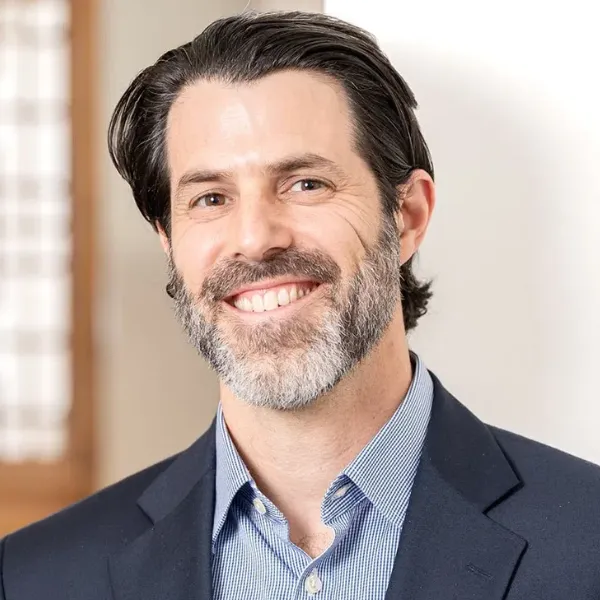
Evan Rabinowitz is the founder and director of the Yao Shan Center for Chinese Medicine in Washington, DC, where he has maintained an active clinical practice for over 25 years. From the beginning of his practice he began intensive study directly with Jeffrey Yuen.
Evan is an internationally recognized educator and clinician, he is a professor at Daoist Traditions College of Chinese Medical Arts, North Carolina, and a lecturer at Georgetown University School of Medicine, Washington DC, in its Integrative Medicine program.
Evan previously served as Director of Chinese Herbal Medicine at the Maryland University of Integrative Health (MUIH), where he played a pivotal role in developing its master’s and doctoral programs in Chinese medicine.
His teaching style is known for integrating deep classical knowledge with practical clinical applications, drawing from both oral tradition and decades of real-world experience.
Evan teaches Chinese medicine around the world in the United States, Europe and Australia.
He is a frequent presenter at national conferences, and a trusted mentor to hundreds of practitioners.
His mission is to equip acupuncturists and herbalists with the tools and insight needed to treat complex conditions—with clarity, precision, heart and deep knowledge of classical Chinese medicine.
COURSE SCHEDULE
DAY 1
The Circulation of Wei Qi and Ying Qi: Foundations of Rhythm and Emotion
Explore the classical physiology of Wei Qi and Ying Qi as presented in the Neijing, and understand how their rhythmic movement governs wakefulness, rest, and emotional stability.
Distinguish the cyclical circulation of Wei Qi from the regular flow of Qi in the primary channels — a crucial differentiation for understanding modern emotional and sleep pathology.
Learn how imbalance in the circulation of Wei Qi and Ying Qi underlies a wide range of presentations — from sleep disturbance and anxiety to fatigue, low mood, and emotional instability — all reflections of a disrupted energetic rhythm.
Learn to identify rhythm disturbances through pulse, clinical observation, and symptom differentiation.
Clinical discussion: applying these classical insights to cases of sleep disturbance, chronic stress, and mood imbalance.
DAY 2
Clinical Treatment of Sleep Disorders
Learn comprehensive treatment strategies for a range of sleep disorders, including:
Difficulty falling asleep or an overactive mind at night.
Early waking with restlessness or worry.
Restless dreaming, nightmares, or vivid emotional sleep.
Sleep talking, sleep walking, and other parasomnias arising from unsettled Qi and Shen.
Excessive sleep, mental fog, and fatigue after brain injury or stress.
Explore the role of dreams as a diagnostic guide to the movement of Qi and the state of the Shen — how dream patterns reveal the interplay between waking consciousness and the inner world of sleep.
Examine how disturbances in the rhythmic relationship between the Heart, brain, and Wei Qi contribute to insomnia, anxiety, depression, and cognitive exhaustion, and how restoring balance can re-establish calm and coherence.
Learn acupuncture approaches, point combinations, and sequencing that harmonize these interconnections and promote restorative sleep.
Integrate channel theory, classical understanding, and contemporary clinical insight to design individualized protocols that restore rhythmic communication between the Heart, Shen, and nervous system.
Case-based practicum: develop personalized sleep-restoration plans rooted in rhythm theory, blending classical reasoning with practical clinical application.
DAY 3
The Qiao and Wei Vessels: Extraordinary Channels of Rhythm and Emotional Integration
Engage in a deep and detailed study of the Qiao and Wei Vessels, the Extraordinary Channels most intimately connected to the body’s rhythms of movement, rest, and emotional coherence.
Explore the Qiao Vessels (Motility Vessels) and their regulation of light and darkness, wakefulness and sleep, and the body’s alignment with circadian and environmental cycles.
Examine how the Qiao system interacts with the “Thoroughfare of Qi” that ascends to the brain — a classical pathway for Qi distinct from the regular meridian flow — to maintain the rhythmic exchange between consciousness and rest, and the communication between the Heart, brain, and sensory orifices.
Understand how disturbance in these dynamics can lead to insomnia, circadian rhythm disruption, dream disturbance, or emotional overactivation of the mind.
Study the Wei Vessels (Linking Vessels) as pathways of connection and containment, responsible for binding the layers of body and psyche.
Recognize how imbalance in the Wei Vessels may present as profound depression, PTSD, emotional fragmentation, and the sense of being unable to “hold it together.”
Learn classical and modern point pairings and treatment sequencing to effectively engage these channels in clinical practice.
Integrate these insights into comprehensive clinical strategies for anxiety, depression, and sleep disorders, using the Extraordinary Channels as gateways to reestablish rhythm, coherence, and resilience.
DAY 4
Clinical Integration and Live HOT SEAT Case Studies
Observe live patient treatments with Dr. Evan Rabinowitz, bringing the principles of the course into direct clinical application.
Participate in detailed pulse and tongue assessments, learning to interpret subtle diagnostic findings and translate them into clear treatment strategies.
Engage in real-time treatment planning, discussing pattern differentiation, point selection, and sequencing directly with Dr. Rabinowitz before and after each session.
Observe needling technique, treatment method, and practitioner–patient interaction as they come together in a real clinical setting.
This day is open to patients presenting with a wide range of conditions, offering participants the opportunity to see how the diagnostic and treatment skills developed during the course apply across diverse cases.
Each case includes guided discussion, reflection, and Q & A, giving participants a rich opportunity to deepen clinical insight and confidence through direct observation and dialogue.
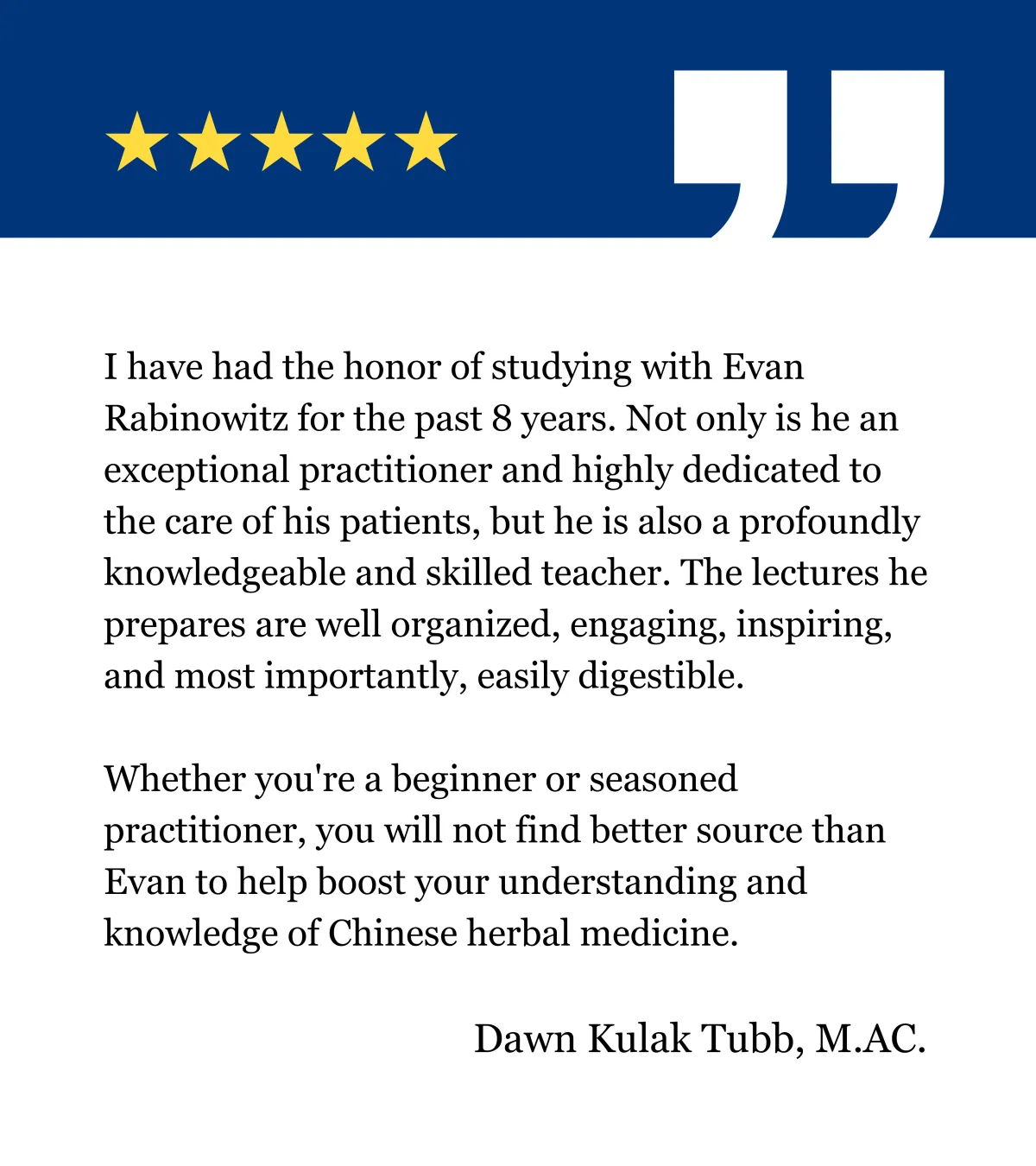
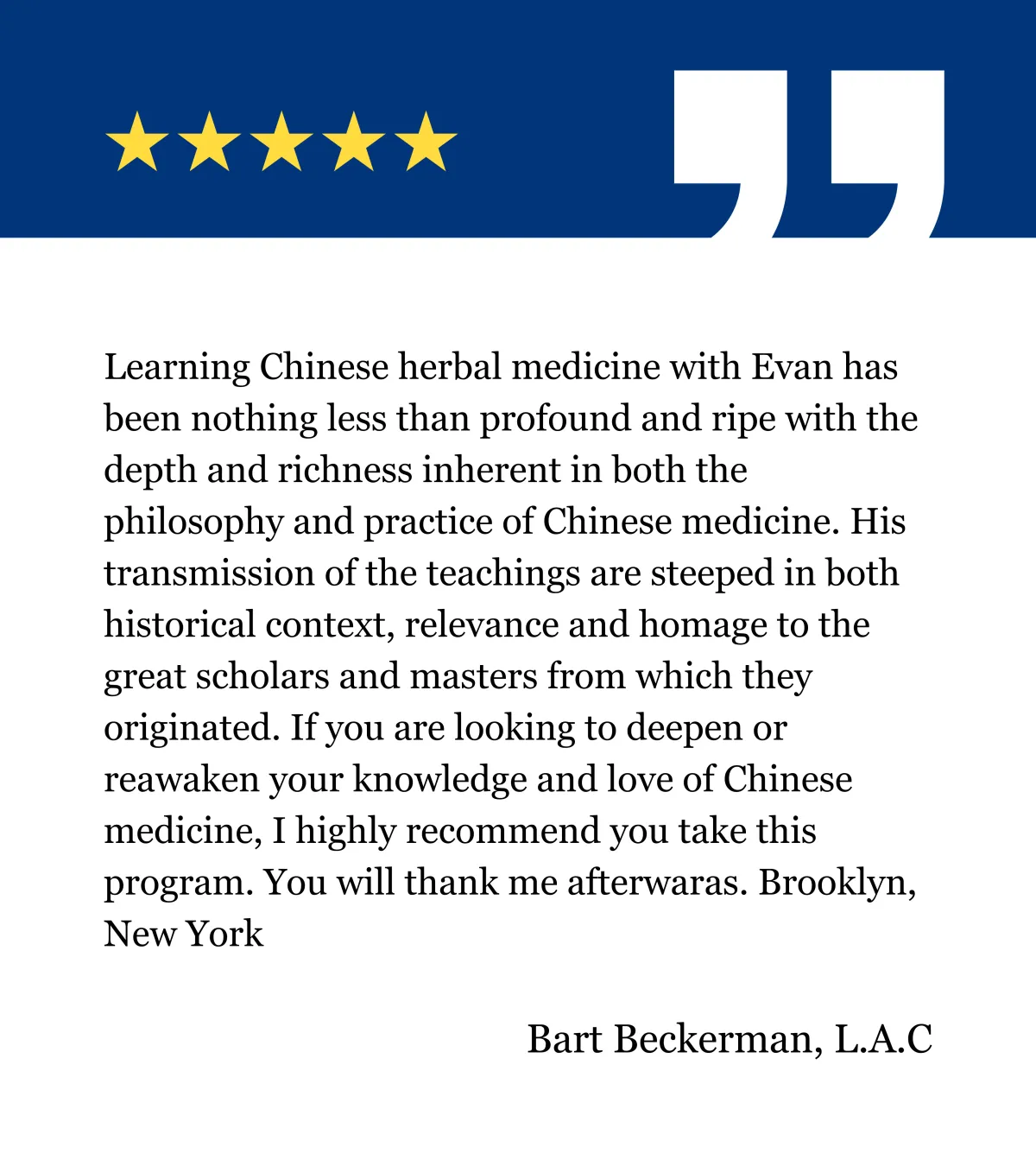
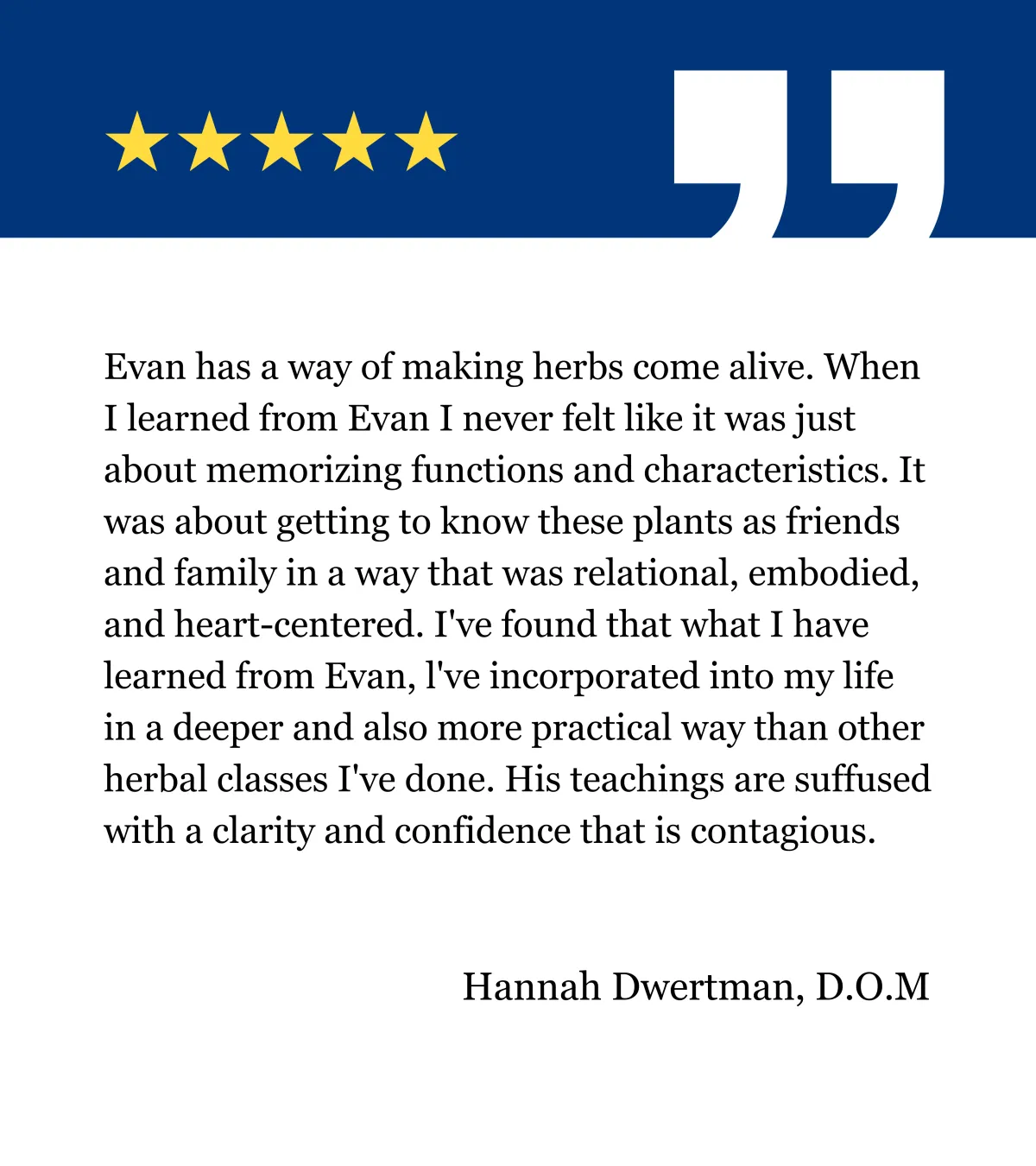
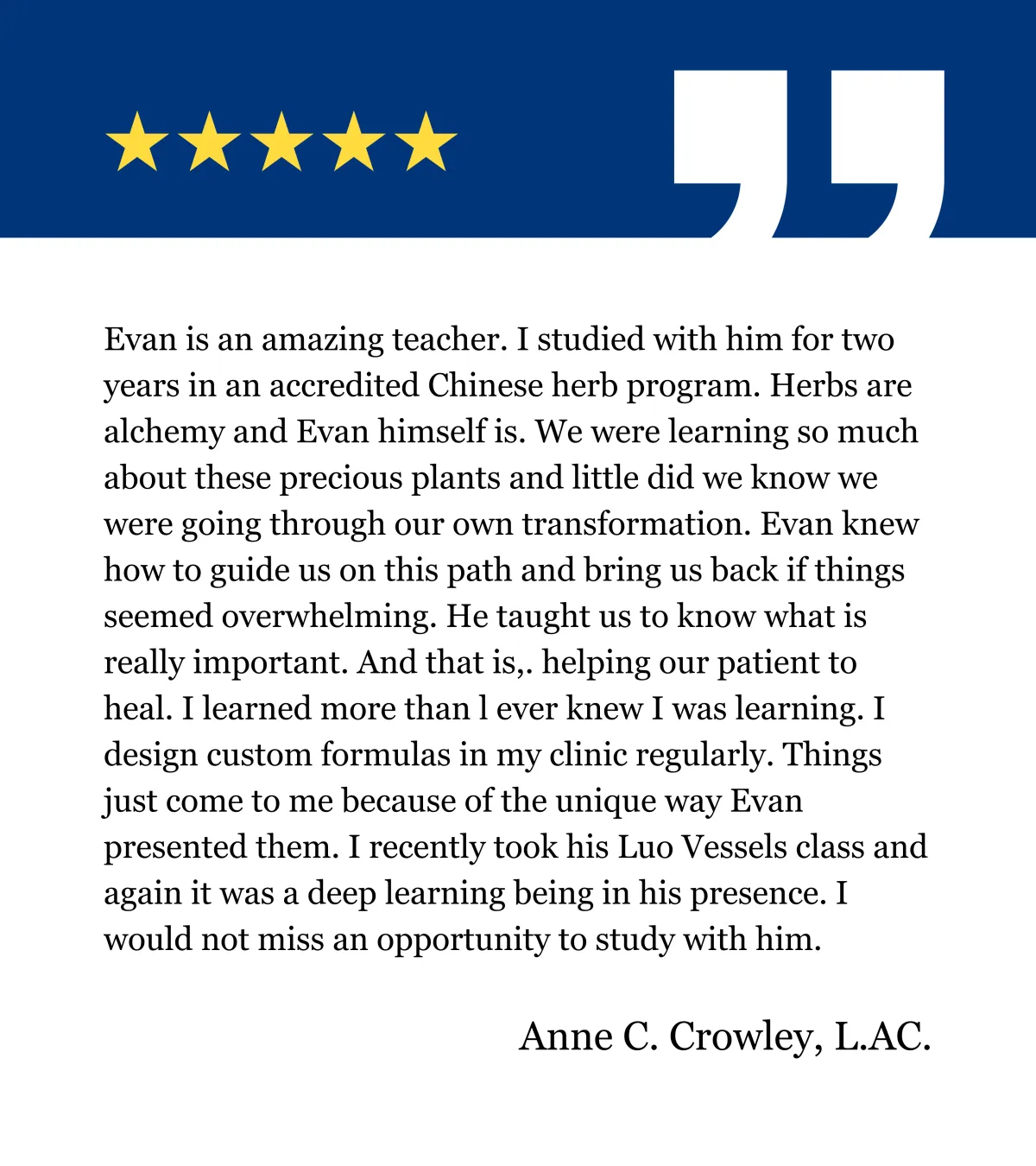
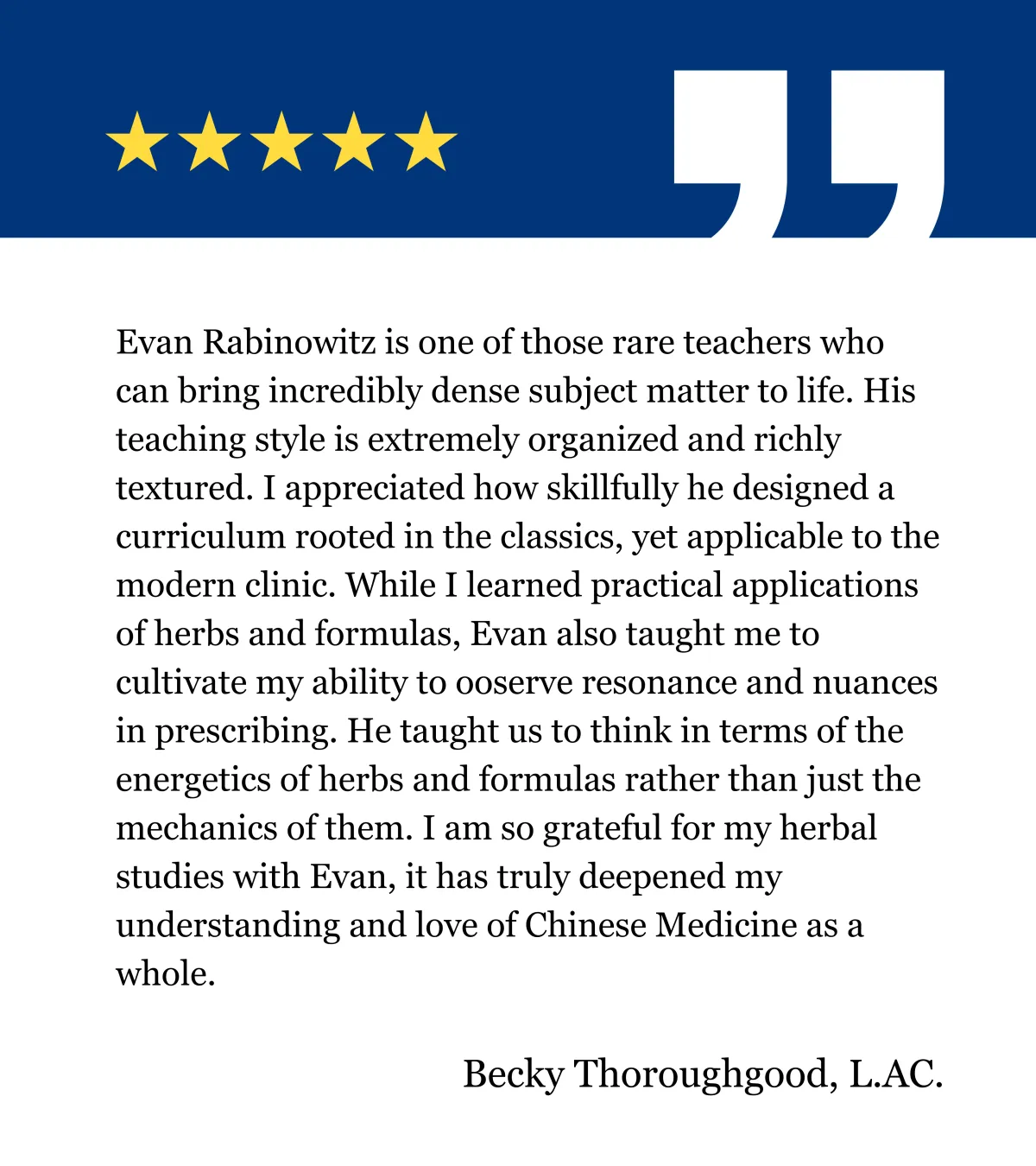
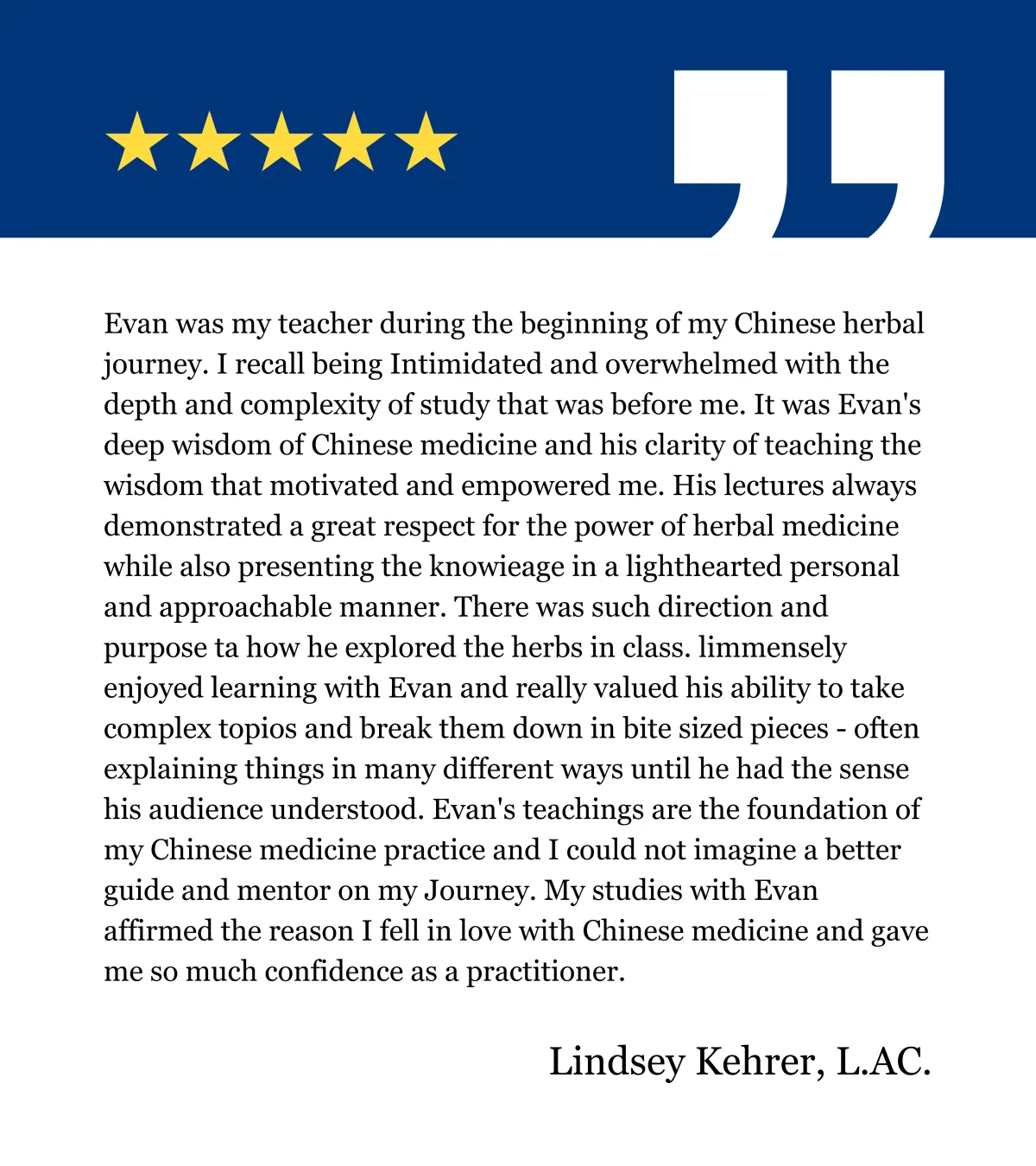
TESTIMONIALS
FREQUENTLY ASKED QUESTIONS
Is this a face to face event?
Yes
What currency is the price?
All currency is in AUD
How much is this event?
Super Early Bird is $1995
Early Bird is $2295
Full Price is $2495
Is there any Taxes?
Taxes are inclusive.
I would really like to attend but I like to pay in installments. Is this available?
Yes. Please select split pay after clicking the register button.
Is there a student price?
We have offered this at a reasonable price to accommodate both practitioners and students at the current times of struggle. No extra discounts available.
If I can't attend live, is there a recording?
No, there is no recording or virtual stream. Aspects of the seminar may be recorded for promotional use only. NeedlePro Australia acquires copyright in any written or electronic record and all material which is generated from this event.
Is this a CEU/CPD event?
All attendees will receive a 26 CPD Points
Is this workshop just for practitioners or can students attend?
This workshop is definitely suited for both practitioners and students. In fact, many previous practitioners who have attended prior workshops of Sohial were pleasantly surprised that the content was presented in a way that clearly explained some of the core fundamentals of Chinese Medicine on mental-health with an easy to understand and easy to integrate in clinical practice.
Is there a refund or cancellation policy?
Participants may request a full refund for their registration provided that the request is submitted no later than four (4) weeks prior to the scheduled event date.
Refund requests submitted between two (2) and four (4) weeks prior to the scheduled event date will be eligible for a fifty percent (50%) refund.
Refunds or credit notes will not be issued for any cancellations made within fourteen (14) days of the scheduled event date, on the event date, or after the event date. This includes non‑attendance for any reason.
All approved refunds will incur a $35 merchant processing fee, which will be deducted from the refund amount.
No refunds, transfers, or credit notes will be granted in the event that a participant fails to attend the live event.
Travel & Accommodation Disclaimer
Participants must not book any flights, hotels, or other travel arrangements—particularly those that are non‑refundable or non‑transferable—until they receive formal written confirmation from us that minimum registration numbers have been met and the seminar is confirmed to proceed. Please note that the automatic welcome email you receive upon registration is not this confirmation. A separate confirmation email will be issued at a later stage and will clearly state that the seminar is officially going ahead. We accept no responsibility or financial liability for any travel or accommodation costs incurred prior to receiving this specific confirmation, including losses arising from cancellations, rescheduling, or changes to the event.
I have more questions, who can I contact?
You can direct any questions to [email protected]